

How to Choose a Halo Length That Complements a Layered Haircut
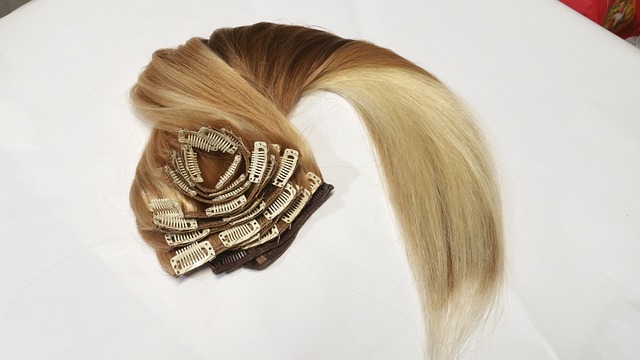
Selecting the right halo length for a layered haircut can be the difference between an effortless blend and a noticeable mismatch. The key is to pick a halo extension that closely matches the longest layer of the haircut, ensuring a seamless transition from natural hair to added length and volume. Considering hair color and the density of both your own hair and the extension will also help achieve a natural look.
Those with shorter layers or more dramatic haircuts may find that shorter halos blend better, while longer layers can handle extensions up to 22 inches. You can also visit this page to find 22-inch Halo hair extensions to help you create volume and length. A proper choice complements the existing hair shape, resulting in a flawless finish that looks just as good as it feels.
Key Takeaways
- Choose halo length that matches the longest layer.
- Layered cuts blend best with halo extensions of similar length.
- Proper matching ensures seamless results and volume.
How to Choose a Halo Length for Layered Haircuts
Choosing the right halo hair extension length for layered hair requires close attention to how the layers fall, the density of your natural hair, and the desired volume or length. By considering these factors, you can achieve a seamless, blended, and natural look with halo hair extensions.
Matching Halo Length to Your Hair Layers
For the most natural appearance, a halo hair extension should have its length matched closely to the longest layer in your haircut. This prevents a stark contrast between the ends of the extensions and the natural layers, which can make the extensions noticeable.
It’s important to note that halo hair extensions can look bulky or uneven if they are significantly longer than your longest natural layer. To achieve a cohesive look, trim the extensions as needed or seek help from a stylist for blending.
Evaluating Your Natural Hair Type and Density
Hair type and density play a significant role in picking the right halo hair extension. Those with finer or thinner hair should lean towards lighter, less voluminous halos to avoid an unnatural line where the extension sits.
People with thick or coarse hair typically need a fuller halo or one with more wefts to blend seamlessly with their natural texture and density. Consider the weight of the extension: heavier halos offer more volume but may not be comfortable for prolonged wear on thin hair. Always evaluate if your natural hair is curly, wavy, or straight. Choose halo hair extensions that match your hair’s texture to ensure the layered halo merges naturally with your hair’s layers.
Selecting Between Short, Medium, or Long Halo Extensions
Short halo hair extensions—usually 12 to 14 inches—add subtle volume and work best for those whose hair is already styled in short, layered cuts. They avoid abrupt length jumps and create a polished, thickened look. Medium-length halos, typically 16 to 18 inches, offer versatility. They can provide both extra length and volume, especially for hair that falls at or below the shoulders in gentle layers. This length is often chosen to enhance movement and body in layered cuts without appearing artificial.
Long halo extensions—20 inches and up—are best reserved for people whose longest layers are already quite long. They create dramatic length and suit those aiming for voluminous, cascading hair, but require careful blending to avoid separation between natural hair and extension ends. Frequent trimming or shaping is usually necessary for layered hair to keep the addition undetectable.
Achieving a Seamless Blend with Halo Extensions
A flawless blend between natural hair and halo hair extensions depends on careful color matching, precise trimming, and smart styling methods. Paying attention to these factors ensures a more natural and undetectable look with every wear.
Color and Texture Matching Essentials
Choosing the right shade for a halo hair extension is the most important step in blending, especially with a layered haircut. The color should be matched primarily at the mid-lengths and ends, as these are most visible. If in doubt between two shades, choosing the slightly lighter option often blends more naturally.
Texture pairing is equally crucial. If the natural hair is wavy, select a wavy halo or use a styling tool to mimic your natural hair’s pattern. Extension texture that closely matches the natural movement of the layered cut helps avoid a harsh line where the halo begins. It also allows the extensions to mix convincingly with the shortest and longest layers. For best results, bring a sample or clear photo of the hair to compare textures and shades in natural light.
Professional Trimming and Layering Techniques
After selecting the right halo, expert trimming and layering should always be considered. Many stylists advise wearing the halo extensions during the cut. This allows them to tailor the new layers so the extension and natural hair blend without obvious separation.
Trim the extensions to be slightly longer than the natural layers, but not excessively so. This keeps the look balanced and reduces the “extension line,” where the difference between real hair and extension is visible. For thick or blunt layered cuts, additional texturizing may be required. A feathering technique on the ends of halo hair extensions helps them flow seamlessly with a layered halo or stacked haircut. This is especially helpful for those with thick hair who need extensions to blend with multiple layers.
Conclusion
Choosing a halo extension length for layered hair involves matching the extension to the hair’s shortest layer for a natural blend. Layered cuts benefit from subtle transitions in length, so it’s important to select extensions that closely mimic the hair’s overall shape and structure.
Focusing on color match, hair density, and correct placement will also contribute to a seamless look. With a thoughtful approach, anyone can enhance their layered haircut with a halo extension that suits personal style and daily needs.