

Sliding Doors as a Modern Solution for Flexible Interior Spaces
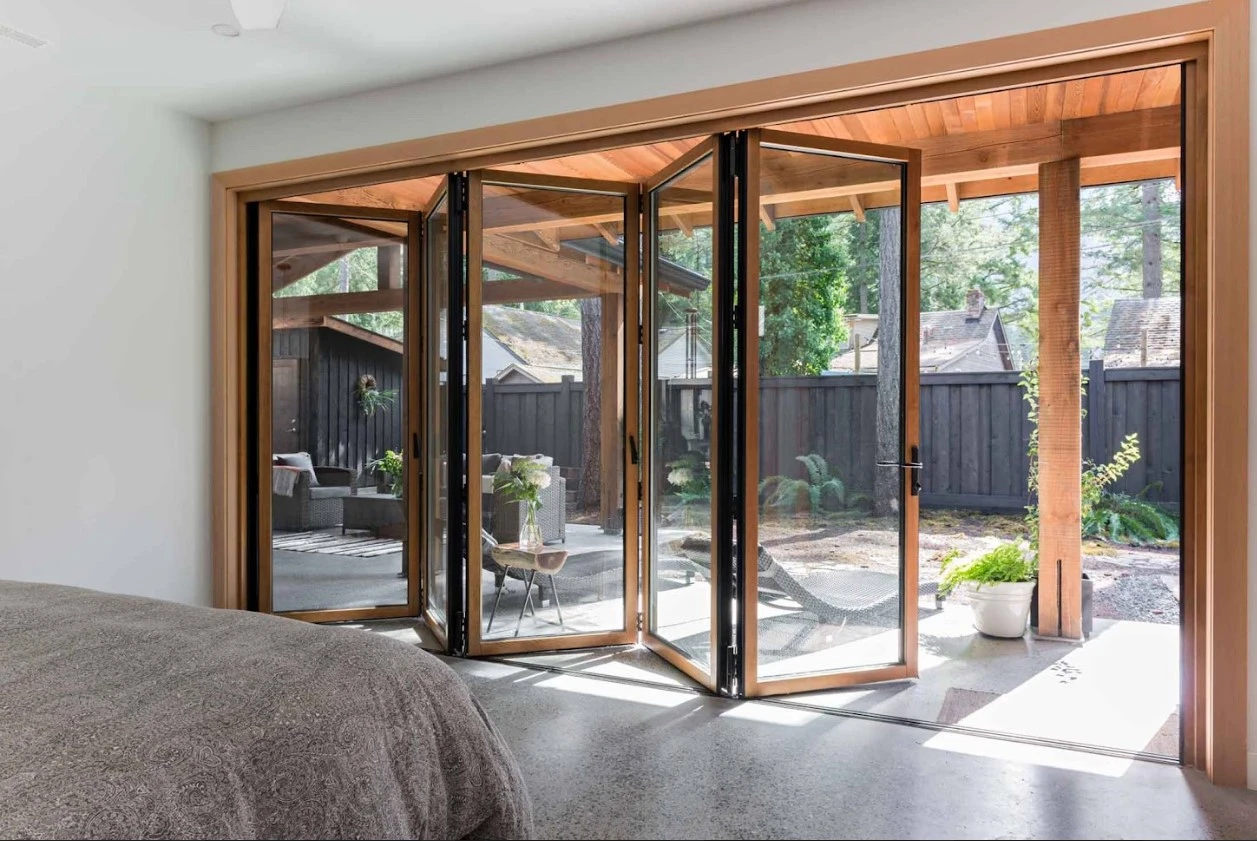
Sliding doors have become one of the most practical and visually clean solutions in contemporary interior design. They are widely used in homes, apartments, and commercial spaces where flexibility, light, and efficient use of space are essential. Unlike traditional swing doors, doors sliding systems allow rooms to transform easily without requiring additional clearance, making them ideal for modern layouts.
Today, sliding doors are no longer viewed as a compromise. They are a deliberate architectural choice that supports open planning while still offering privacy when needed. A well-designed sliding door for room use can subtly divide space, control sound, and enhance the overall interior concept.
Sliding Door Inside the Home: Space Planning and Everyday Comfort
A sliding door inside the home plays a key role in how rooms interact with each other. In open-plan interiors, it allows homeowners to maintain a sense of openness while having the option to close off areas for privacy, work, or rest. This balance is especially important in urban homes and condominiums where space must serve multiple functions.
Sliding doors are often used to separate living rooms from kitchens, bedrooms from home offices, or dining areas from lounges. When open, they visually disappear and restore the full openness of the space. When closed, they create a defined boundary without the visual weight of a solid wall.
The main advantages of sliding doors in interior layouts include:
-
efficient use of space without door swing clearance
-
smooth visual transition between rooms
-
flexibility for changing daily needs
Because of these qualities, sliding door inside solutions are commonly chosen for modern renovations as well as new builds.
Sliding Door for Room Zoning in Modern Interiors
A sliding door for room separation is particularly effective in interiors that require adaptable zoning. Instead of committing to fixed walls, designers use sliding systems to allow spaces to change function throughout the day. A single room can become an open social area or a private zone depending on how the sliding doors are positioned.
Glass sliding doors are especially popular because they preserve natural light and visual connection between spaces. Frosted or textured glass adds privacy while maintaining brightness. Solid or mixed-material panels are often chosen for bedrooms or workspaces where sound control is more important.
Doors sliding systems are also valued for their clean, minimalist appearance. Slim frames, concealed tracks, and neutral finishes allow sliding doors to integrate seamlessly into modern interiors rather than stand out as a separate element.
Design, Materials, and Practical Performance
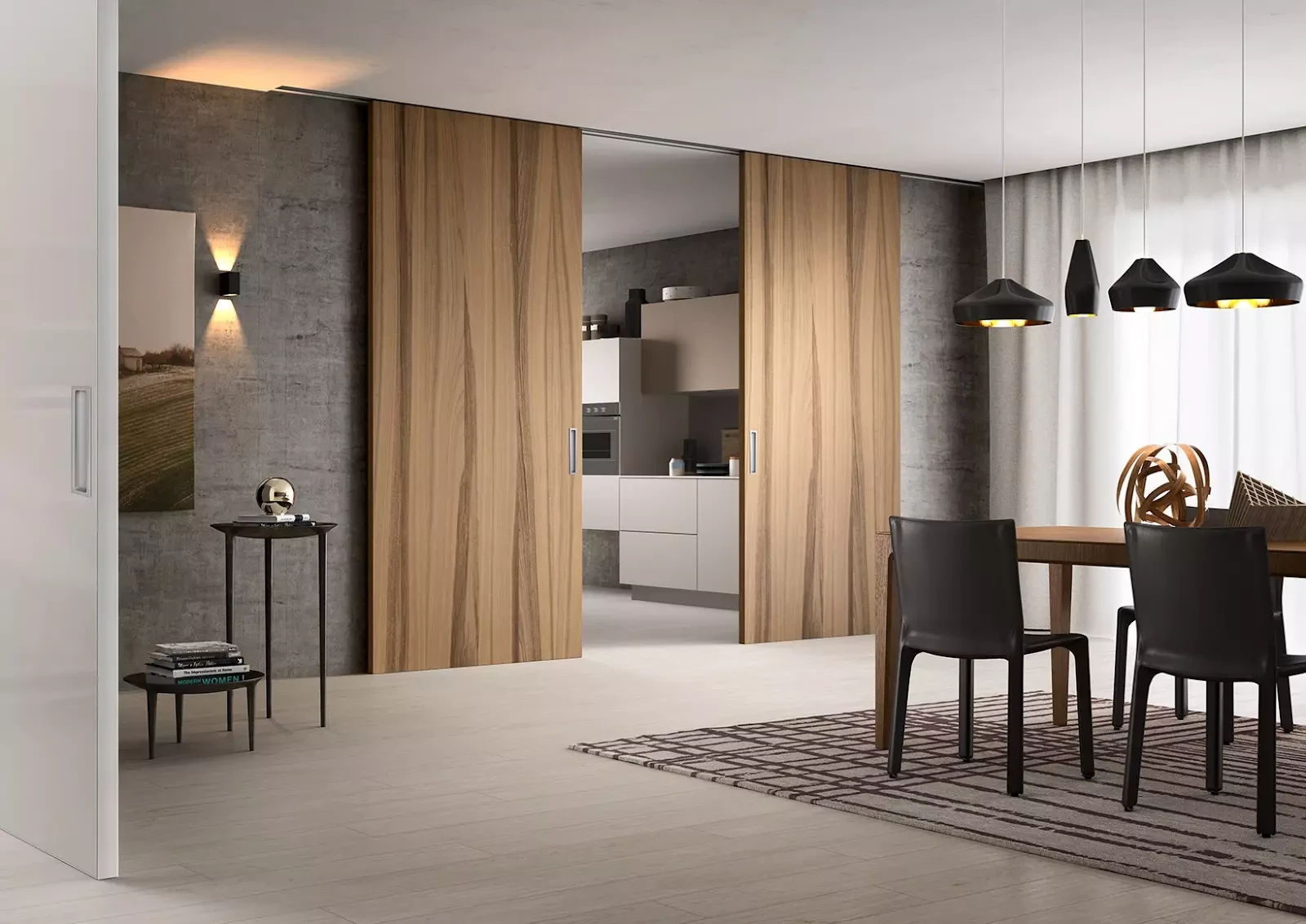
The effectiveness of sliding doors depends largely on materials and hardware quality. Glass panels create a light and contemporary feel, while wood or composite panels add warmth and visual depth. Aluminum or steel frames are commonly used for their durability and modern aesthetic.
Equally important is the sliding mechanism itself. Smooth, quiet operation is essential for daily comfort, especially in homes where doors are used frequently. High-quality tracks and rollers ensure long-term reliability and prevent issues such as misalignment or noise.
When selecting sliding doors, homeowners should consider how often the door will be used, whether sound insulation is important, and how the door will interact with surrounding finishes. A sliding door should feel effortless in use and natural within the interior.
Sliding Doors as Part of a Cohesive Interior Concept
Sliding doors are most effective when they are part of a broader interior system rather than an isolated feature. Coordinating them with wall finishes, partitions, or room dividers creates visual consistency and architectural clarity. This integrated approach is a defining characteristic of modern interior design.
At Triodoors, sliding doors are approached as architectural elements rather than simple products. The door shop Triodoors in Toronto focuses on contemporary sliding systems and room divider solutions that support flexible layouts and modern aesthetics, making it easier to integrate sliding doors into a unified interior design.
Choosing Sliding Doors for Long-Term Use
Selecting the right sliding doors requires more than choosing a style. It involves understanding how the space is used, how much privacy is needed, and how the doors will perform over time. A well-chosen sliding door for room separation should enhance comfort, support daily routines, and remain visually relevant for years.
Sliding doors represent a modern approach to interior living. They offer freedom of movement, adaptability, and refined design without the limitations of traditional doors. When thoughtfully selected and properly integrated, sliding doors become a defining feature of a contemporary interior, combining functionality with architectural elegance.
